
Drone Thermal Roof Inspection
- Home
- Drone Thermal Roof Inspection
Other Services
Plan Smarter, Spend Less
Schedule a thermal inspection for your multifamily, hotel, self‑storage, school, government, or commercial properties. We’ll deliver actionable insights you can use to prioritize repairs and protect budgets
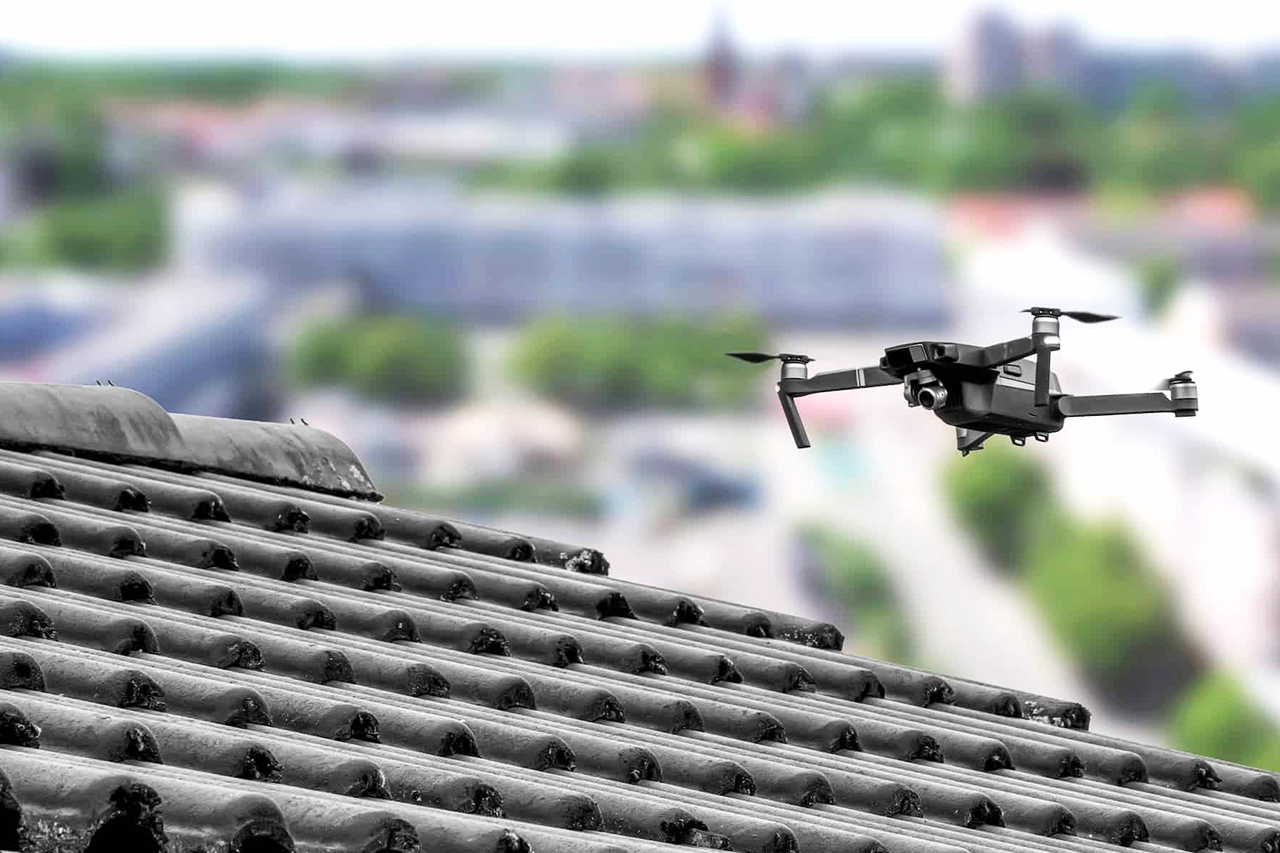
Catch Hidden Issues Early and Protect Your Warranty
What Our Thermal Inspections Deliver
- Aerial thermal maps that reveal trapped moisture, wet insulation, and heat anomalies
- High‑resolution orthomosaic imagery for context
- Issue flagging with GPS references and priority notes
- Practical maintenance recommendations aligned to building operations
Financial & Warranty Considerations
- Commercial roof replacement is a major capital event. Early detection through thermal scanning helps turn big, sudden costs into small, planned repairs. Many manufacturer warranties also require regular inspections; documented findings can help demonstrate compliance and support timely corrective actions. We can coordinate our reports with your warranty file cadence.

Frequently Asked Questions
Will you walk the roof?
How often should we inspect?
Can you bundle inspections with cleaning?
Thermal Roof Inspection: Advanced Drone-Based Infrared Imaging for Commercial Roofing
Traditional roof inspections rely on visual observation and invasive testing—walking the roof, pulling core samples, and waiting for problems to become visible from the interior. By that time, hidden moisture intrusion, insulation failure, and structural damage have already caused thousands of dollars in losses.
Rise & Shine Drone Cleaning offers cutting-edge thermal roof inspection services for Charlotte-area commercial properties. Using drone-mounted infrared cameras, we detect moisture intrusion, insulation defects, and energy inefficiencies invisible to the naked eye—all without a single person stepping foot on your roof.
What Is Thermal Roof Inspection?
Thermal (infrared) roof inspection uses specialized cameras that detect temperature variations across roofing membranes. Because wet insulation retains heat differently than dry insulation, infrared imaging reveals moisture-compromised areas as distinct thermal patterns—even when the roof surface appears perfectly normal.
Our FAA Part 107-certified pilots deploy drones equipped with high-resolution thermal sensors to scan your entire roof system in a fraction of the time required for manual inspection. The result: comprehensive documentation of roof condition, precise identification of problem areas, and data-driven maintenance planning.
How Thermal Roof Inspection Works
The Science Behind Infrared Detection
Commercial roofing systems are designed to insulate—keeping conditioned air inside and weather elements outside. When insulation becomes saturated with moisture, its thermal properties change dramatically:
- Wet insulation retains heat longer than dry insulation after sunset, creating "hot spots" visible in infrared imagery
- Moisture trapped beneath membranes shows up as distinct thermal signatures during temperature transitions (dawn and dusk)
- Air leaks and insulation gaps appear as temperature anomalies in both summer and winter conditions
- Delaminated roofing materials exhibit different thermal patterns than properly bonded sections
Our Thermal Inspection Process
Step 1: Pre-Flight Planning
We review building plans, roof construction details, and maintenance history to understand your roofing system. We also check weather forecasts—optimal thermal imaging requires specific temperature differentials and clear skies.
Step 2: Daytime Visual Survey
Before thermal imaging, we conduct a high-resolution visual drone survey to document existing conditions: ponding water, surface damage, mechanical equipment locations, and access points.
Step 3: Thermal Imaging Flight
Thermal inspections are typically conducted 1-2 hours after sunset when temperature differentials are most pronounced. Our drone flies programmed flight paths at consistent altitude, capturing overlapping thermal and visual imagery of the entire roof surface.
Step 4: Data Processing & Analysis
Thermal images are processed using specialized software that identifies temperature anomalies, moisture patterns, and insulation defects. We correlate thermal data with visual imagery to pinpoint exact problem locations.
Step 5: Comprehensive Reporting
You receive a detailed inspection report including:
- Thermal imagery with annotated problem areas
- Side-by-side visual and infrared comparisons
- GPS-tagged locations of moisture intrusion
- Square footage estimates of affected areas
- Severity classifications (minor, moderate, severe)
- Recommended repair priorities and cost estimates
What Thermal Inspection Detects
Moisture Intrusion & Wet Insulation
The #1 application for thermal roof inspection—detecting hidden moisture that compromises insulation effectiveness, promotes mold growth, and accelerates structural deterioration. Early detection prevents small leaks from becoming catastrophic failures.
Insulation Defects & Gaps
Missing insulation, compressed insulation, or improperly installed thermal barriers show up clearly in infrared imagery. Identifying these defects allows targeted repairs that improve energy efficiency and reduce HVAC costs.
Membrane Delamination
Single-ply roofing membranes (TPO, PVC, EPDM) can separate from substrate layers due to poor adhesion or wind uplift. Delaminated areas appear as distinct thermal patterns and represent failure points vulnerable to future leaks.
Ponding Water & Drainage Issues
Standing water shows up dramatically in thermal imagery due to water's high thermal mass. We identify drainage problems, low spots, and areas where ponding accelerates membrane degradation.
HVAC Equipment Heat Loss
Rooftop mechanical units, ductwork, and exhaust vents often have inadequate insulation or damaged seals. Thermal imaging reveals energy waste from these sources—information valuable for utility rebate applications and energy audits.
Structural Issues
In some cases, thermal anomalies indicate more serious problems: roof deck deterioration, failed structural members, or substrate damage. Early detection prevents safety hazards and expensive emergency repairs.
Advantages Over Traditional Roof Inspection
Non-Invasive & Non-Destructive
No Core Sampling Required: Traditional moisture testing involves cutting holes through your roof membrane. Thermal imaging detects problems without creating new penetrations.
No Foot Traffic: Walking inspections can damage fragile membranes, dislodge granules on modified bitumen, and void warranties. Drones inspect from the air—zero roof surface contact.
Comprehensive Coverage
100% Roof Surface Documentation: Manual inspections sample limited areas. Thermal drones scan every square foot, ensuring no problem areas go undetected.
Inaccessible Areas Included: Steep slopes, fragile skylights, and hazardous rooftop equipment areas that inspectors avoid are safely documented by drones.
Speed & Efficiency
Rapid Data Collection: A drone thermal survey of a 50,000 sq ft roof takes 30-45 minutes versus hours or days for manual inspection.
Minimal Business Disruption: No ladders, no roof access requirements, no safety perimeters blocking loading docks or entrances.
Objective, Verifiable Data
Visual Proof: Thermal imagery provides concrete evidence of problems—essential for warranty claims, insurance documentation, and contractor accountability.
Baseline Documentation: Regular thermal inspections create a historical record of roof condition, helping predict remaining service life and plan capital budgets.
Cost-Effective Maintenance Planning
Targeted Repairs vs. Full Replacement: Thermal data shows exactly which sections need attention. Many roofs with localized moisture issues can be spot-repaired rather than completely replaced—saving tens of thousands of dollars.
Warranty Preservation: Many roofing warranties require periodic inspections. Thermal documentation satisfies these requirements while providing more actionable data than basic visual reports.
Ideal Applications for Thermal Roof Inspection
Pre-Purchase Due Diligence
Considering acquiring a commercial property? A thermal roof inspection reveals hidden defects that visual surveys miss—critical information for negotiating purchase price or budgeting post-acquisition capital improvements.
Warranty Compliance & Verification
New roof installations should be thermally scanned after completion to verify proper installation. Identifying moisture issues while the work is still under warranty protects your investment and holds contractors accountable.
Insurance Claims & Documentation
After storm damage, thermal imaging differentiates new problems from pre-existing conditions—essential for accurate insurance claims. The data also helps adjust scope of work to include hidden moisture damage.
Energy Audits & Utility Rebates
Many utility companies offer rebates for energy efficiency improvements. Thermal roof inspections document heat loss and insulation deficiencies, supporting rebate applications and ROI calculations for upgrades.
Planned Maintenance Programs
Annual or biennial thermal inspections track roof condition over time, allowing proactive repairs before minor issues become major failures. This extends roof service life and prevents emergency situations.
Litigation Support & Expert Testimony
When roofing disputes arise—defective installation, premature failure, or warranty denial—thermal imaging provides objective forensic evidence. Our FAA-certified pilots and detailed reports support legal proceedings.
Charlotte-Specific Roofing Challenges
Humidity & Moisture Intrusion
Charlotte's humid climate accelerates moisture-related roofing problems. Summer humidity combines with air-conditioned interiors to create condensation issues. Our thermal inspections detect these problems early.
Severe Weather Events
The Piedmont region experiences intense thunderstorms, occasional hurricanes, and damaging hail. Post-storm thermal surveys identify wind-driven water infiltration and impact damage not visible from the ground.
Temperature Extremes
Charlotte roofs endure summer surface temperatures exceeding 160°F and occasional winter freezes. These thermal cycles stress roofing materials and reveal weaknesses detectable through infrared imaging.
Pollen & Organic Growth
Heavy spring pollen and organic debris accumulation can trap moisture against roofing membranes. Thermal imaging reveals wet areas beneath surface contamination.
Recommended Inspection Frequency
New Roofs (0-5 years old):
Thermal inspection within first year to verify proper installation, then every 2-4 years for warranty compliance and early problem detection.
Mid-Life Roofs (5-10 years old):
Annual thermal inspections to catch developing issues before they become severe. Allows targeted maintenance that extends service life.
Aging Roofs (11+ years old):
Annual thermal inspections to monitor deterioration, plan capital budgets, and determine optimal timing for replacement versus repair.
After Major Weather Events:
Post-storm thermal survey within 30-60 days to document damage while insurance claim windows are open.
Understanding Your Thermal Inspection Report
Our comprehensive reports translate complex thermal data into actionable recommendations:
Thermal Imagery with Annotations
Color-coded thermal maps highlight temperature anomalies, with annotations identifying specific problem areas and GPS coordinates for precise location.
Severity Classification
Problems are categorized by urgency:
- Critical: Active leaks or severe moisture intrusion requiring immediate repair
- Moderate: Developing issues that should be addressed within 6-12 months
- Minor: Localized defects suitable for next scheduled maintenance cycle
Square Footage Calculations
Precise measurements of affected areas support accurate repair budgeting and contractor bidding.
Repair Recommendations
Prioritized action items with estimated costs help you plan maintenance budgets and schedule work strategically.
Historical Comparison (for repeat clients)
Year-over-year thermal data shows how roof condition is changing, helping predict remaining service life and validate maintenance effectiveness.
Combining Thermal Inspection with Roof Cleaning
Many clients bundle thermal roof inspection with our drone soft-wash roof cleaning services. This combination delivers maximum value:
- Thermal inspection identifies moisture problems
- Roof cleaning removes organic growth that traps moisture and accelerates deterioration
- Clean roof surfaces improve thermal imaging accuracy for future inspections
- Combined service scheduling reduces mobilization costs
Ready to See What's Hiding on Your Roof?
Don't wait for ceiling stains, interior water damage, or catastrophic roof failure to reveal hidden problems. Rise & Shine's drone thermal inspection services provide the data you need to make informed decisions about your Charlotte-area commercial roofing investment.
Contact us today to schedule a thermal roof inspection. We'll assess your facility, explain the process, and provide transparent pricing with no hidden fees.
📞 Call us today: 980-505-7116
✉️ Email: info@riseandshinedronecleaning.com
📍 Serving: Charlotte, NC and surrounding areas
FAA-certified thermal imaging specialists • Non-invasive testing • Comprehensive reporting
